
Best Flooring for Underfloor Heating: A Complete Guide
Underfloor heating has become one of the most desirable home heating systems in the UK, providing consistent warmth, improved energy efficiency and a clutter-free alternative to traditional radiators. However, choosing the right flooring is essential to ensure your heating system performs at its best.
If you're planning a renovation or new build, this guide explains which flooring works best with underfloor heating, why engineered wood flooring is often the preferred choice, and what to consider before making your decision.
Why your flooring choice matters
Not all flooring materials transfer heat equally. Some act as excellent conductors, allowing warmth to move efficiently into the room, while others can insulate the heat, reducing the effectiveness of your heating system.
The ideal flooring should:
- Conduct heat efficiently
- Remain dimensionally stable as temperatures change
- Be durable enough for everyday living
- Complement your home's interior design
Choosing the wrong flooring can reduce heating performance and, in some cases, damage the floor itself.
Is engineered wood flooring suitable for underfloor heating?
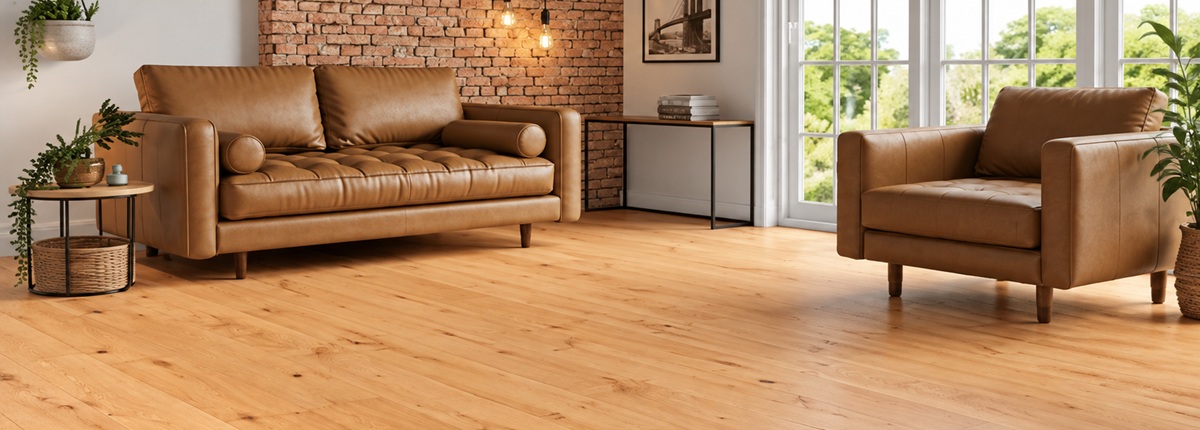
Yes. In most cases, engineered wood flooring is the best wood flooring option for homes with underfloor heating.
Unlike solid wood, engineered flooring is manufactured from multiple layers of timber with a real hardwood top layer. This cross-layered construction makes the boards far more stable when exposed to changes in temperature and humidity.
Benefits of engineered wood flooring
- Excellent stability
- Less expansion and contraction than solid wood
- Suitable for most water-based and electric underfloor heating systems
- Beautiful natural wood appearance
- Available in a wide range of finishes, colours and plank sizes
- Long lifespan when properly maintained
Many engineered flooring products are specifically designed for use with underfloor heating, making them a reliable long-term investment.
SHOP OUR ENGINEERED WOOD FLOORING RANGE
Why solid wood flooring isn't recommended
Although solid wood flooring offers timeless character, it naturally expands and contracts with changes in temperature and moisture.
When installed over underfloor heating, excessive movement can lead to:
- Gaps between boards
- Warping
- Cupping
- Cracking
- Squeaking
Engineered wood is generally considered the safer and more stable option.
Other flooring suitable for underfloor heating
Luxury Vinyl Tile (LVT)
LVT conducts heat efficiently and performs exceptionally well with underfloor heating. It's waterproof, durable and available in realistic wood and stone designs, making it popular for kitchens, bathrooms and busy family homes.
Laminate flooring
Many modern laminate floors are compatible with underfloor heating, although it's important to check the manufacturer's guidance.
Quality laminates can offer good performance at a lower cost than hardwood flooring.
Choosing the right engineered wood flooring
When selecting engineered flooring for underfloor heating, consider:
Board thickness
Generally, boards between 14mm and 15mm thick provide an excellent balance between durability and heat transfer.
Very thick flooring can reduce heating efficiency. That’s not to say it won’t work completely, just that it may take longer for heating to take effect.
Thermal resistance
Look for products with a low thermal resistance, allowing heat to pass through the floor more effectively.
Installation method
Many engineered floors can be either:
- Floated
- Glued down
- Secret nailed (18-20mm floors only – 15mm and under could split)
The recommended installation method will depend on both the flooring and your heating system.
Always follow the manufacturer's installation instructions.
Tips for protecting your floor
To maximise the lifespan of both your flooring and heating system:
- Increase the floor temperature gradually when switching the heating on.
- Avoid sudden temperature changes.
- Keep surface temperatures within the flooring manufacturer's recommended limits (typically around 27°C).
- Maintain indoor humidity between approximately 40–60%.
- Use entrance mats to reduce dirt and moisture.
- Clean using products designed for wood flooring.
These simple steps help minimise movement in the timber and keep your floor looking its best for years.
Why homeowners choose engineered wood flooring
Engineered wood flooring combines the warmth and beauty of real timber with the stability required for modern homes.
It offers:
- Real hardwood appearance
- Excellent compatibility with underfloor heating
- Long-term durability
- Wide choice of colours and finishes
- Easy maintenance
- Increased property appeal
Whether you're renovating a single room or an entire property, engineered flooring provides an attractive and practical solution.
Find the perfect floor at Source Wood Floors
At Source Wood Floors, we carefully select a range of premium engineered wood flooring suitable for use with underfloor heating. Our collection includes contemporary, rustic and traditional styles to suit every home.
If you're unsure which flooring is right for your project, our experienced team is always happy to help you choose the perfect option.
Browse our extensive range of engineered wood flooring or order your free samples today to experience the quality for yourself.
Frequently Asked Questions
Can engineered wood flooring be used with underfloor heating?
Yes. Most quality engineered wood flooring is specifically designed to work with underfloor heating and is far more stable than solid wood.
What is the best flooring for underfloor heating?
Engineered wood, laminate and luxury vinyl tile (LVT) are generally considered the best flooring options because they transfer heat efficiently while remaining durable.
Is solid wood flooring suitable for underfloor heating?
Solid timber naturally expands and contracts with changes in temperature and humidity. The heat from underfloor heating can increase this movement, potentially causing gaps, cupping or distortion, which could lead to issues and additional expense. For this reason, we would not recommend solid wood flooring over underfloor heating.
Does underfloor heating damage engineered wood flooring?
No, provided the flooring is suitable for underfloor heating, installed correctly and the manufacturer's temperature recommendations are followed.
What floor thickness is best for underfloor heating?
Most engineered wood flooring between 14mm and 15mm thick offers an excellent balance between heat transfer and durability.
Can I install underfloor heating beneath existing wooden flooring?
This depends on the type and condition of the existing floor. A flooring specialist can advise whether your current flooring is compatible or whether replacement is recommended.
Why Surce?
Why Surce?